 Share this page by mail
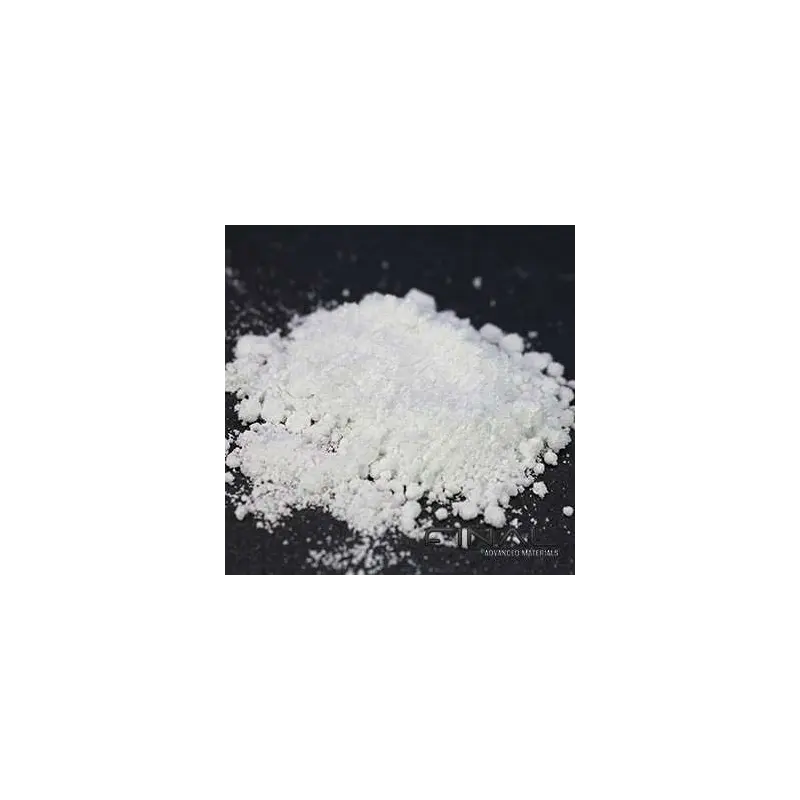
 Alumina Powder series 300
Series 300 is an alumina powder with high purity. As for series 200, this product is used as a filler for synthetic resins and elastomers manufacturing.
Do not hesitate to contact us if you want to have more information, we also propose other ceramic powders.

• Chemical analysis: Al2O3 > 99.50 %
• Granulometry: 0.85 µm < d50 < 90 µm
The choice depends on the desired thermal performance for the resin or composite. Aluminium nitride (AlN) powders increase thermal conductivity up to 150 to 200 W/(m·K), but also provide effective electrical insulation. Boron nitride powders (h-BN) increase thermal conductivity up to 40 to 60 W/(m·K) and thermal stability up to 800–900°C in air, providing a balance between conductivity and ease of application. Alumina powders (Al₂O₃), which are more cost-effective, provide a more moderate conductivity of 20 to 35 W/(m·K). Final Advanced Materials recommends adjusting the particle size and the load level to optimise overall performance.
The choice of ceramic powder depends on the wear constraints and working conditions (load, temperature, environment). Alumina powders (Al₂O₃), with a hardness of 15 to 20 GPa and a density of approximately 3.9 g/cm³, provide an excellent abrasion resistance for standard applications.
For more severe applications, silicon carbide (SiC) powders have a higher hardness of 20 to 28 GPa, a thermal conductivity of up to 120 to 180 W/(m·K) and a very effective thermal resistance up to 1,400–1,600°C. Silicon nitride (Si₃N₄) powders, with a hardness of 15 to 18 GPa, stand out for their mechanical and thermal shock resistance. Final Advanced Materials recommends adjusting the particle size and purity to maximise wear resistance.